
Memorandum of Understanding
Between
The Attorney General of Ontario
and
Director of the Special Investigations Unit
Contents:
2. Purpose
3. Definitions
4. Agency Type, Function and Public Body Status
5. Corporate Status and Crown Agency Status
6. Guiding Principles
7. Accountability Relationships
8. Roles and Responsibilities
9. Ethical Framework
10. Reporting Requirements
11. Public Posting Requirements
12. Communications and Issues Management
13. Administrative Arrangements
14. Financial Arrangements
15. Audit and Review Arrangements
16. Staffing and Appointments
17. Risk Management, Liability Protection and Insurance
18. Compliance and Corrective Actions
19. Effective Date, Duration and Review of the MOU
Appendix 1: Public Communications Protocol (Template and Minimum Requirements)
Appendix 2: Administrative or Organizational Support Services
Signatures
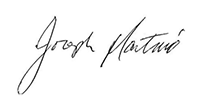
I have read, understood and concur with this MOU dated August 26, 2025 and will abide by the requirements for this MOU and the AAD.
Attorney General
1. Preamble
- Provincial agencies deliver important and valued services to the people of Ontario. In delivering these public services, provincial agencies are accountable to the government through the responsible minister.
- Provincial agencies must use public resources efficiently and effectively to carry out their mandates, as established by their respective constituting instruments and in alignment with the key priorities of the provincial government. Their operations are guided by the key principles of the Agencies and Appointments Directive (AAD).
- The parties to this MOU acknowledge that the agency is part of government and is required to comply with legislation, government directives, policies and guidelines applicable to them. Further, the agency may be required to ensure that their directives and policies adhere to certain government directives, policies and guidelines, including those for human resources, while being mindful of collective agreement and bargaining obligations.
2. Purpose
- The purpose of this memorandum of understanding (MOU) is to:
- Establish the accountability relationships between the Minister of the Ministry of the Attorney General and the Director of the Special Investigations Unit (SIU) on behalf of the agency.
- Clarify the roles and responsibilities of the Minister, the SIU Director, the Deputy Minister, and the agency Executive Officer.
- Clarify the operational, administrative, financial, staffing, auditing and reporting arrangements between the SIU and the Ministry of the Attorney General (MAG) that support the accountability requirements within a framework which recognizes that the Director makes independent regulatory decisions in relation to investigations.
- This MOU should be read together with the Special Investigations Unit Act, 2019 (SIU Act). This MOU does not affect, modify or limit the powers of the agency as set out under the SIU Act, or interfere with the responsibilities of any of its parties as established by law. In case of a conflict between this MOU and any act or regulation, the act or regulation prevails.
- This MOU replaces the memorandum of understanding between the parties dated February 17, 2022.
3. Definitions
In this MOU:
- “AAD” means the Agencies and Appointments Directive, issued by Management Board of Cabinet
- “Agency” or “provincial agency” means Special Investigations Unit (SIU);
- “Annual Report” means the annual report referred to in article 10.2 of this MOU;
- “Applicable Government Directives” means the government directives, policies, standards and guidelines that apply to the agency, as may be amended or replaced from time to time;
- “Artificial intelligence system” means a machine-based system that, for explicit or implicit objectives, makes inferences, from the input it receives, in order to generate outputs such as predictions, content, recommendations, or decisions that can influence physical or virtual environments;
- "Appointee" means a person appointed to the agency by the Lieutenant Governor, but does not mean an individual employed or appointed by the agency as staff;
- “Business Plan” means the annual business plan described under article 10.1 of this MOU;
- “Constituting instrument” means the Special Investigations Unit Act, 2019 (SIU Act) that established the agency;
- “Director” means the Director of the Special Investigations Unit appointed under subsection 5 (1) of the SIU Act;
- “Deputy Minister” means the Deputy Minister of the Ministry of the Attorney General;
- “Designated Executive” means designated executive defined in the Broader Public Sector Executive Compensation Act, 2014, S.O. 2014;
- “Executive Council Act” means the Executive Council Act, R.S.O. 1990, c. E. 25, as amended;
- “Executive Officer” means Executive Officer, or equivalent of the Special Investigations Unit;
- “FIPPA” means the Freedom of Information and Protection of Privacy Act, R.S.O. 1990, c.F.31, as amended.
- “Fiscal Year” means the period from April 1 to March 31;
- “Government” means the Government of Ontario;
- “MBC” means the Management Board of Cabinet;
- “Member” means an individual appointed to the agency by the Lieutenant Governor in Council, but does not mean an individual employed or appointed by the agency as staff;
- “Minister” means the Minister of the Ministry of the Attorney General or such other person who may be designated from time to time as the responsible minister in relation to this MOU in accordance with the Executive Council Act, R.S.O. 1990, c.E.25, as amended;
- “Minister of Finance” means the Minister of Finance or such other person who may be designated from time to time under the Executive Council Act;
- “Ministry” means the Ministry of the Attorney General or any successor to the ministry;
- “MOU” means this memorandum of understanding signed by the Minister and the SIU Director;
- “OPS” means the Ontario Public Service;
- “Official” means an “official” as define in subsection 1 (1) of the SIU Act, namely, (a) a police officer; (b) a special constable employed by the Niagara Parks Commission; and (c) a person designated as a peace officer for the purposes of section 103 of the Legislative Assembly Act;
- “President of the Treasury Board” means the President of the Treasury Board or such person who may be designated from time to time under the Executive Council Act;
- “PSC” means the Public Service Commission;
- “PSOA” means the Public Service of Ontario Act, 2006, S.O. 2006, c. 35, Sched. A, as amended;
- “SIU Act” means the Special Investigations Unit Act, 2019, S.O. 2019, c. 1, Sched. 5;
- “TBS” means the Treasury Board Secretariat;
- “TB/MBC” means the Treasury Board/Management Board of Cabinet;
Agency’s Legal Authority and Mandate
- The legal authority of the Special Investigations Unit is set out in the Special Investigations Unit Act, 2019, S.O. 2019, c. 1, Sched. 5.
- The provincial agency’s mandate is set out in the Special Investigations Unit Act, 2019, S.O. 2019, c. 1, Sched. 5 which states that the agency’s objects are to conduct investigations into incidents involving officials that have resulted in serious injury, death, the discharge of a firearm at a person, or reports of sexual assault by a person against an official.
4. Agency Type, Function and Public Body Status
- The agency is designated as a non-board-governed provincial agency with a Regulatory (without governing board) function under the Agencies and Appointments Directive.
- The agency is prescribed as a public body and a Commission public body in accordance with Ontario Regulation 146/10 under the PSOA.
5. Corporate Status and Crown Agency Status
- The agency is not a Crown agency within the meaning of the Crown Agency Act.
- The provincial agency does not have the capacity, rights, power and privileges of a natural person for carrying out its objects.
6. Guiding Principles
The parties agree to the following principles:
- Accountability: Provincial agencies deliver public services and are accountable to the government through the responsible minister. In delivering on their mandate, provincial agencies balance operational flexibility with the minister’s accountability for the provincial agency to Cabinet, the Legislative Assembly and the people of Ontario. Accountability of the minister for each provincial agency cannot be delegated.
Every provincial agency complies with all applicable legislation and Ontario Public Service (OPS) directives and policies. Further, agencies ensure that their directives and policies adhere to certain government directives, policies and guidelines, including those for human resources, while being mindful of collective agreement and bargaining obligations. This includes applicable legislation and directives related to procurement. - Responsiveness: Provincial agencies align their mandate and operations with government priorities and direction. Open and consistent communication between provincial agencies and their responsible ministry helps ensure that government priorities and direction are clearly understood and helps to manage risks or issues as they arise. Provincial agencies deliver a high standard of public service that meets the needs of the population that they serve.
- Efficiency: Provincial agencies use public resources efficiently and effectively to carry out their mandates, as established by their respective constituting instruments. They operate in a cost-effective manner, and pursue efficiencies throughout the agency’s service delivery and administration.
- Sustainability: Provincial agencies operate in a way so that their current form is sustainable over the long-term while delivering a high standard of service to the public.
- Transparency: Good governance and accountability practices for provincial agencies are complemented by transparency in the form of public posting of governance and accountability documents including the business plan, annual report, MOU and expenses information.
- Impartial decision-making is the paramount requirement.
7. Accountability Relationships
7.1 Minister
The Minister is accountable:To Cabinet and the Legislative Assembly for the agency’s fulfilment of its mandate and its compliance with government policies, and for reporting to the Legislative Assembly on the agency’s affairs.
- For reporting and responding to Treasury Board/Management Board of Cabinet on the agency’s performance and compliance with government’s applicable direction, including directives and operational policies.
- To the Cabinet for the performance of the agency and its compliance with the government’s operational policies and broad policy directions.
7.2 Director
The Director is accountable:
- To the Minister for the agency’s performance in fulfilling its mandate, and for carrying out the roles and responsibilities assigned to the Director by the SIU Act and other applicable legislation, this MOU, and applicable government directives and policies.
- For reporting to the Minister, as requested, on the agency’s activities.
- For ensuring timely communications with the Minister regarding any issue that affects, or can reasonably be expected to affect, the Minister’s responsibilities for the agency.
- To the Minister to confirm the agency’s compliance with legislation, government directives, and applicable accounting, financial, and I&IT policies.
7.3 Deputy Minister
The Deputy Minister is also accountable for attesting to TB/MBC on the agency’s compliance with applicable directives to the best of their knowledge and ability.
7.4 Executive Officer
Note that the Executive Officer or equivalent and staff supporting the Executive Officer are ministry staff who are under Part III of the PSOA. Non-board-governed agencies are provided with their administrative support by the ministry.- The agency’s staff report to and are accountable to the Executive Director and/or the Deputy Director for their performance.
- The Executive Officer and/or Deputy Director is accountable to the Director for the management of the agency’s operations and staff.
8. Roles and Responsibilities
8.1 Minister
- Reporting and responding to the Legislative Assembly on the affairs of the agency.
- Reporting and responding to TB/MBC on the agency’s performance and compliance with applicable directives, the government’s operational policies and policy directions.
- Meeting with the Director at least quarterly on: emerging issues and opportunities; agency high risks and action plans including direction on corrective action, as required; and agency business plan and capital priorities.
- As a best practice, meetings are to be quarterly. The Minster may delegate some of the meetings to an associate minister or parliamentary assistant. The Minister should meet with the Director at least twice per year.
- If the Minister deems the agency to be low-risk, the Minister may reduce the number of meetings to twice a year, instead of quarterly.
- Working with the Director to develop appropriate measures and mechanisms related to the performance of the agency.
- Reviewing the advice or recommendation of the Director on candidates for appointment or re- appointment to the provincial agency.
- Making recommendations to Cabinet and the Lieutenant Governor in Council for appointments and reappointments to the agency, pursuant to the process for agency appointments established by legislation and/or by MBC through the AAD.
- Determining at any time the need for a review or audit of the agency, directing the Director to undertake reviews or audits of the agency on a periodic basis, and recommending to TB/MBC any change(s) to the governance or administration of the agency resulting from any such review or audit.
- Signing the MOU into effect after it has been signed by the Director.
- Receiving the agency’s annual business plan and approving or providing suggested changes to the plan no later than 30 calendar days from receiving it.
- Ensuring that the agency’s business plan is made available to the public no later than 30 calendar days from approving it.
- Receiving the agency’s annual report and approving the report no later than 60 calendar days of the ministry’s receipt of the report from the agency.
- Ensuring the annual report is tabled no later than 30 calendar days from approval and then made available to the public.
- Recommending to TB/MBC any provincial funding to be allocated to the agency.
- When appropriate or necessary, taking action or directing that the agency take corrective action with respect to the agency’s administration or operations.
- Consulting, as appropriate, with the Director (and others) on significant new directions or when the government is considering regulatory or legislative changes for the agency.
- Recommending to TB/MBC the application of the OPS Procurement Directive.
- Recommending to TB/MBC, where required, the merger, any change to the mandate, or dissolution of the agency.
- Recommending to TB/MBC the powers to be given to, or revoked from, the agency when a change to the agency’s mandate is being proposed.
8.2 Director
The Director, with the support of the Executive Officer or equivalent, is responsible for:- Providing strategic leadership to the agency by setting the goals, objectives, processes and strategic directions for the agency within its mandate, as defined by the agency’s constituting instrument.
- Ensuring compliance with legislative and TB/MBC policy obligations.
- Reporting to the Minister as requested on the agency’s activities within agreed upon timelines, including an annual letter confirming the agency’s compliance with all applicable legislation, directives, and accounting, financial and I&IT policies.
- Meeting with the Minister at least quarterly on: emerging issues and opportunities; agency high risks and action plans including direction on corrective action, as required; and agency business plan and capital priorities.
- As a best practice, meetings are to be quarterly. The Minister may delegate some of the meetings to an associate minister or parliamentary assistant. The Minister should meet with the Director at least twice per year.
- If the Minister deems the agency to be low-risk, the Minister may reduce the number of meetings to twice a year, instead of quarterly.
- Ensuring timely communications with the Minister regarding any issues or events that may concern or can reasonably be expected to concern the Minister in the exercise of their responsibilities relating to the agency.
- Working with the Minister to develop appropriate measures and mechanisms related to the performance of the agency.
- Utilizing the agency’s skills matrix to advise the Minister of any competency skills gaps and provide recommendations for recruitment strategies, appointments, or re-appointments as needed, including advising the Minister on appointee attendance and performance.
- Cooperating with any review or audit of the agency.
- Requesting an external audit of the financial transactions or management controls of the agency, at the agency’s expense, if required.
- Advising the Minister and Deputy Minister, annually at minimum, on any outstanding audit recommendations/issues.
- Sharing all audit engagement reports (including those prepared by their own internal audit function and/or those reported to the agency’s Director) with their respective minister and deputy minister (and when requested, with the President of the Treasury Board).
- Seeking strategic policy direction for the agency from the Minister.
- Ensuring the implementation of actions that support the goals, objectives, and strategic direction of the agency, and otherwise directing the affairs of the agency so as to fulfill its mandate.
- Monitoring and evaluating the performance of the agency.
- Signing the agency’s MOU.
- Submitting the agency’s business plan, budget, annual report and financial reports to the minister in accordance with the timelines specified in the applicable government directives and this MOU.
- Ensuring that the agency operates within its approved budget allocation in fulfilling its mandate, and that public funds are used for the purpose intended with integrity and honesty.
- Consulting with the Minister in advance regarding any activity which may have an impact on the government and ministry’s policies, directives or procedures, or on the agency’s mandate, powers or responsibilities as set out in the agency’s constituting instrument.
- Reviewing and approving claims for per diems and travel expenses for members.
- Ensuring that appropriate management systems are in place (financial, information technology (including cyber security), human resources, procurement) for the effective administration of the agency.
- Establishing and implementing artificial intelligence (AI) risk management in alignment with the principles of the Responsible Use of AI Directive and requirements in section 6.3, ensuring that they fulfill the role outlined for “Provincial Agency Heads or Equivalent” in the Responsible Use of AI Directive.
- Making sure that an appropriate framework is in place for agency staff and appointees to receive adequate orientation and training with respect to the business and operations of the agency and their particular responsibilities.
- Making sure that agency staff and appointees are aware of and comply with applicable government directives, and all applicable legislation.
- Making sure a process for responding to and resolving complaints from the public and the agency’s stakeholders is in place.
- Carrying out effective public communications and relations for the agency as required by the Communications Protocol.
- Acknowledging the importance of promoting an equitable, inclusive, accessible, anti-racist and diverse workplace within the agency, and supporting a diverse and inclusive workplace within the agency.
- Ensuring that members are informed of their responsibilities under the PSOA with regard to the rules of ethical conduct, including the political activity rules.
- Fulfilling the role of ethics executive for public servants who are government appointees to the SIU promoting ethical conduct and ensuring that all members of the agency are familiar with the ethical requirements of the PSOA, and the regulations and the directives made under that Act, including in respect of conflict of interest, political activity and the protected disclosure of wrongdoing.
- Consulting with the Deputy Minister in the evaluation of the performance of the Executive Officer or equivalent and pursuant to the performance criteria established by the Deputy Minister and the Director.
- Ensuring that the responsibilities for the institution head are carried out as set out in Regulation 460 for the purposes of the Freedom of Information and Protection of Privacy Act.
8.3 Deputy Minister
Deputy Minister responsibilities may be fulfilled by a delegate approved by the Secretary of Cabinet.The Deputy Minister is responsible for:
- Advising and assisting the Minister regarding the Minister’s oversight responsibilities for the SIU, including informing the Minister of policy direction, policies and priorities of relevance to the agency’s mandate.
- Advising the Minister on the requirements of the AAD, ensuring governance and accountability documents accurately adhere to the requirements of the AAD, and other directives that apply to the SIU.
- Attesting to TB/MBC on the provincial agency’s compliance with the mandatory accountability requirements set out in the AAD and other applicable directives, the government’s operational policies and policy directions based on the annual letter of compliance from the agency Director to the Minister to the best of their knowledge and ability.
- Reporting/responding, within prescribed timelines, to TBS on compliance tracking.
- Ensuring that the Executive Officer or equivalent is aware of the administrative requirements of government and is compliant with them.
- Informing the Executive Officer, in writing, of new government directives and any exceptions to, or exemptions in whole or in part from directives, government policies, or ministry administrative policies.
- Ensuring regular briefings and consultations between the Director and the Minister at least quarterly, and between the ministry staff and the provincial agency staff as needed.
- Providing supporting and background information for the Minister’s quarterly meetings with the Director.
- Meeting with the agency’s Executive Officer regularly and as required, to discuss CoA exceptions and fraud instances and their related action plans.
- Supporting the Minister in reviewing the performance targets, measures and results of the agency.
- Signing the agency’s MOU, acknowledging their responsibilities.
- Undertaking reviews of the agency as may be directed by the Minister.
- Cooperating with any review of the agency as directed by the Minister or TB/MBC.
- Ensuring the review of and assessing the agency’s business plan and other reports.
- Requesting information and data as needed to fulfill obligations under the AAD.
- Monitoring the agency on behalf of the Minister while respecting the agency’s authority, identifying needs for corrective action where warranted, and recommending to the Minister ways of resolving any issues that might arise from time to time.
- Providing regular feedback to the Minister on the performance of the agency.
- Supporting ministers and minister’s offices in monitoring and tracking upcoming and existing vacancies on boards, particularly where there is a legislated minimum number of members and to maintain quorum.
- Recommending to the Minister, as may be necessary, the evaluation or review, including a risk-based review, of the SIU or any of its programs, or changes to the management framework or operations of the SIU.
- Ensuring that the ministry and the agency have the capacity and systems in place for on- going risk-based management, including appropriate oversight of the agency.
- Ensuring that the agency has an appropriate risk management framework and a risk management plan in place for managing risks that the agency may encounter in meeting its program or service delivery objectives.
- Undertaking timely risk-based reviews of the SIU, its management or operations, as may be directed by the Minister or TB/MBC.
- Submitting to the Minister, as part of the annual planning process, a risk assessment and management plan for each risk category.
- Consulting with the agency’s Executive Officer or Director, as needed, on matters of mutual importance including services provided by the ministry and compliance with directives and ministry policies.
- Arranging for administrative, financial and other support to the agency, as specified in this MOU.
- Consult with the Director on the performance evaluation of the Executive Officer.
8.4 Executive Officer
The Executive Officer is responsible for:- Managing the day-to-day financial, analytical, and administrative affairs of the agency in accordance with the mandate of the agency, government directives and policies, accepted business and financial practices, and this MOU.
- Advising the Director on the requirements of and the agency’s compliance with the AAD, as well as other government directives and policies, and agency by-laws and policies, including annually attesting to the Director on the agency’s compliance with mandatory requirements.
- Applying policies and procedures so that public funds are used with integrity and honesty.
- Providing leadership and management to the agency staff, including human and financial resources management, in accordance with the approved business plan, accepted business and financial practices and standards, the agency’s constituting instrument, and government directives.
- Preparing the provincial agency’s annual business plan to be approved by the Director prior to submission to the Minister.
- Assisting in the preparation of the provincial agency’s annual report as directed by the Director.
- Preparing financial reports.
- Establishing and applying a financial management framework for the agency in accordance with applicable Minister of Finance/Treasury Board controllership directives, policies and guidelines.
- Translating the goals, objectives and strategic directions of the Director into operational plans and activities in accordance with the agency’s approved business plan.
- Ensuring that the agency has the oversight capacity and an effective oversight framework in place for monitoring its management and operations.
- Keeping the Director informed with respect to implementation of policy and the operations of the agency.
- Establishing systems to ensure that the agency operates within its approved business plan.
- Ensuring that the agency has an appropriate risk management framework and risk management plan in place as directed by the Director.
- Supporting the Director in meeting their responsibilities, including compliance with all applicable legislation, directives, policies, procedures and guidelines.
- Carrying out in-year monitoring of the agency’s performance and reporting on results to the Director.
- Keeping the ministry and the Director advised on issues or events that may concern the Minister, the Deputy Minister and the Director in the exercise of their responsibilities.
- Seeking support and advice from the ministry, as appropriate, on agency management issues.
- Establishing a system for the retention of agency documents and for making such documents publicly available when appropriate, for complying with the Freedom of Information and Protection of Privacy Act and the Archives and Recordkeeping Act where applicable.
- Undertaking timely risk-based reviews of the agency’s management and operations.
- Consulting with the Deputy Minister as needed, on matters of mutual importance, including services providing by the ministry, and on government directives and ministry policies.
- Keeping the Deputy Minister informed about operational matters.
- Cooperating with a periodic review directed by the Minister or TB/MBC.
- Fulfilling the role of ethics executive for public servants, other than government appointees, who work in the agency.
- Promoting ethical conduct and ensuring that all members of the agency are familiar with the ethical requirements of the PSOA and the regulations and directives made under that Act, including in respect of conflict of interest, political activity, and the protected disclosure of wrongdoing.
- Keeping the Director informed on operational matters.
- Preparing the agency’s annual business plan to be approved by the Director prior to submission to the minister.
- Setting and reporting on the strategic direction for the agency according to the minister’s agency mandate letter, agency’s proposed business plan, and the agency’s annual report.
9. Ethical Framework
- The members of the provincial agency who are appointed by the Lieutenant Governor in Council are subject to the conflict-of-interest provisions of the AAD and the conflict-of-interest provisions of the PSOA and its regulations.
- Members shall not use any information gained as a result of their appointment to or membership on the agency for personal gain or benefit. A member who has reasonable grounds to believe that they have a conflict of interest in a matter before the agency, or a committee of the agency, shall disclose the nature of the conflict to the Director at the first opportunity and shall refrain from further participation in the consideration of the matter. The Director shall cause to be recorded in the minutes of the meeting of the agency any declared conflicts of interest.
- The Ethics Executive for agency staff is the Executive Officer, as set out in O. Reg. 147/10 under the PSOA. The Ethics Executive is responsible for ensuring that staff of the agency are informed of the ethical rules to which they are subject, including the rules on conflict of interest, political activity and protected disclosure of wrongdoing that apply to the agency.
10. Reporting Requirements
10.1 Business Plan
- The Director will ensure that the Minister is provided annually with the agency’s business plan covering a minimum of three (3) years from the upcoming fiscal year, unless otherwise specified by TB/MBC, for approval by the Minister. The annual business plan shall be in accordance with the requirements set out in the AAD.
- The draft annual business plan is to be submitted to the ministry’s chief administrative officer or designated equivalent no later than 90 calendar days prior to the beginning of the agency’s fiscal year-start, and the Director-approved business plan is to be submitted to the Minister for approval no later than 30 calendar days prior to the beginning of the provincial agency’s fiscal year.
- The Director is responsible for ensuring that the agency’s business plan includes a system of performance measures and reporting on the achievement of the objectives set out in the business plan. The system must include performance goals, how they will be achieved, and targeted results and timeframes.
- The Director will ensure that the business plan includes a summary of HR impacts, including: current number of employees expressed as full-time equivalents and current number of executives.
- The Director will ensure that the business plan includes a risk assessment and risk management plan. This will assist the ministry in developing its risk assessment and risk management plan information in accordance with the requirements of the AAD to assess risks, develop and maintain necessary records, and report to TB/MBC.
- The Director will ensure that the business plan includes an inventory of the provincial agency’s artificial intelligence (AI) use cases in accordance with requirements of the Responsible Use of AI Directive.
- The Director will ensure that publicly posted business plans do not disclose: personal information, sensitive employment and labour relations information, solicitor-client privileged information, Cabinet confidential information, trade secrets, information that would prejudice the financial or commercial interests of the agency in the marketplace, and information that would otherwise pose a risk to the security of the facilities and/or operations of the agency. If necessary, this confidential information, included in the Minister-approved business plan, may be redacted in the publicly posted version.
- The Minister will review the agency’s annual business plan and will promptly advise the Director whether or not they concur with the directions proposed by the agency. The Minister may advise the Director where and in what manner the agency’s plan varies from government or ministry policy or priorities as may be required, and the Director will revise the agency’s plan accordingly. Business plans are only to be considered valid once the responsible Minister has approved the plan and the approval has been expressed in writing.
- The Minister will approve or provide suggested changes to the business plan no later than 30 calendar days from the Minister receipt of the report. In certain circumstances, Minister approval may be given to only certain portions of a business plan as submitted by an agency.
- The parties acknowledge that TB/MBC may require the Minister to submit the agency’s business plan to TB/MBC for review at any time.
- The Director, through the Executive Officer or equivalent, will ensure that the Minister approved business plan is made available to the public in an accessible format (to comply with the Accessibility for Ontarians with Disabilities Act, 2005), in both official languages (to comply with the French Language Services Act), on the SIU website no later than 30 calendar days from Minister approval of the plan.
10.2 Annual Reports
- The Director will ensure that the ministry is provided annually with the agency’s annual report. The annual report shall be in accordance with the requirements set out in the AAD.
- The Director is responsible for ensuring that the provincial agency’s annual report is prepared and submitted to the ministry for approval within 90 calendar days after the agency’s fiscal year-end.
- The Director, with the support of the Executive Officer or equivalent, will ensure that the annual report is prepared in the format specified in the AAD.
- The Director will ensure that the annual report includes a summary of HR impacts, including: number of employees expressed as full-time equivalents, and number of executives.
- The Director, with the support of the Executive Officer or equivalent, will ensure that publicly posted annual reports do not disclose: personal information, sensitive employment and labour relations information, solicitor-client privileged information, Cabinet confidential information, trade secrets, information that would prejudice the financial or commercial interests of the provincial agency in the marketplace, and information that would otherwise pose a risk to the security of the facilities and/or operations of the provincial agency.
- The Minister will receive and review the provincial agency’s annual report to confirm compliance with AAD requirements and will approve the report no later than 60 calendar days from the day of receipt.
- The Minister will table the report in the Legislative Assembly no later than 30 calendar days from approval.
- The Director, through the Executive Officer or equivalent, will ensure that the Minister approved annual report is publicly posted in an accessible format (to comply with the Accessibility for Ontarians with Disabilities Act, 2005), in both official languages (to comply with the French Language Services Act), on the SIU website after the report has been tabled in the Legislature and no later than 30 calendar days from Minister’s approval of the report.
- When distributing annual reports, digital formats and channels for distribution must be used unless otherwise required (e.g., by directive, legislation).
10.3 Human resources and compensation
- The agency will provide workforce, compensation and operational data as set out in the AAD Operational Policy.
- The agency will report on HR and compensation policies in its business plans and annual reports, in accordance with the requirements of the AAD, AAD Operational Policy, and articles 10.1 and 10.2 of this MOU.
- The agency will provide any other additional workforce, compensation and operational data as requested by TBS.
10.4 Other Reports
The Director, with the support of the Executive Officer or equivalent, is responsible for:- Ensuring that all required reports and documents, including those set out in the AAD and the agency’s constituting instrument, are submitted for review and approval by the Minister in accordance with the prescribed timelines.
- Supplying specific data and other information, at the request of the Minister or the Deputy Minister, that may be required from time-to-time.
11. Public Posting Requirements
- The provincial agency, through the Director, will ensure that the following approved governance documents are posted in an accessible format (to comply with the Accessibility for Ontarians with Disabilities Act, 2005), in both official languages (to comply with to the French Language Services Act), on the SIU website no later than the specified timelines:
- Memorandum of understanding– 30 calendar days of signing by all parties
- Annual business plan – 30 calendar days of Minister approval
- Annual report – 30 calendar days of Minister approval (the report must first be tabled in the Legislature).
- Posted governance documents should not disclose: personal information, sensitive employment and labour relations information, solicitor-client privileged information, Cabinet confidential information, trade secrets, information that would prejudice the financial or commercial interests of the provincial agency in the marketplace, and information that would otherwise pose a risk to the security of the facilities and/or operations of the provincial agency
- The provincial agency, through the Director, will ensure that the expense information for appointees and senior management staff are posted on the agency or ministry website, in accordance with the requirements of the Travel, Meal and Hospitality Expenses Directive.
- The provincial agency, through the Director, will ensure that any other applicable public posting requirements are met.
12. Communications and Issues Management
The parties to this MOU recognize that the timely exchange of information on the plans, strategies, operations and administration of the agency is essential for the Minister to meet their responsibilities for reporting and responding to the Legislative Assembly on the affairs of the agency. The parties also recognize that it is essential for the Director to be kept informed of government initiatives and broad policy directions that may affect the agency’s mandate and functions.
The Minister and the Director, therefore, agree that:
- The Director will consult with the Minister, in a timely manner, of all planned announcements, events or issues, including contentious matters, that concern or can be reasonably expected to concern the Minister in the exercise of their responsibilities.
- The Minister will advise the Director in a timely manner, as appropriate, on broad government policy initiatives or legislation being considered by the government that may impact on the agency’s mandate or functions, or which otherwise will have a significant impact on the agency.
- The Minister will advise the Director, and the Director will consult with the Minister on public communication strategies and publications. They will keep each other informed of the results of stakeholder and other public consultations and discussions as they relate to the agency’s mandate and functions.
- The Minister and the Director will meet at least quarterly on: emerging issues and opportunities; agency high risks and action plans including direction on corrective action, as required; and agency business plan and capital priorities.
- As a best practice, meetings are to be quarterly. The Minister may delegate some of the meetings to an associate minister or parliamentary assistant. The Minister should meet with the Director at least twice per year.
- If the Minister deems the agency to be low-risk, the Minister may reduce the number of meetings to twice a year, instead of quarterly.
- The agency and ministry will comply with the Public Communications Protocol set out in Appendix 1 to this MOU for ongoing issues management, public communications and paid advertising.
13. Administrative Arrangements
13.1 Applicable Government Directives
- The Director is responsible for ensuring that the agency operates in accordance with all applicable government directives and policies. This includes, but is not limited to, the list of directives and policies found on the InsideOPS Directives and Policies page.
- The ministry will inform the agency of amendments or additions to legislation, government directives, policies and guidelines that apply to the agency; however, the agency is responsible for complying with all legislation, government directives, policies and guidelines to which it is subject. Information on corporate direction is available on the InsideOPS Directives and Policies page.
- Procurement
The Procurement Directive on Advertising, Public and Media Relations and Creative Communications Services applies in full.
13.2 Administrative and Organizational Support Services (as applicable)
- The Deputy Minister is responsible for providing the agency with the administrative and organizational support services listed in Appendix 2 to this MOU, and for negotiating with centralized OPS support structures concerning these services, as appropriate.
- Appendix 2 may be reviewed at any time at the request of either party.
- The Deputy Minister will ensure that the support or services provided to the agency are of the same quality as those provided to the ministry’s own divisions and branches.
13.3 Legal Services
- Legal services to the SIU will be provided by the Ministry of the Attorney General.
- The SIU may request outside legal services when it requires expertise which is unavailable within the Ministry of the Attorney General when the use of a law office of the Crown would result in any conflict of interest.
- Outside legal services will be acquired in accordance with the Ministry of the Attorney General’s Operating Policy on Acquiring and Using Legal Services.
13.4 Creation, Collection, Maintenance and Disposition of Records
- The Director is responsible for ensuring that a system is in place for the creation, collection, maintenance and disposal of records.
- The Director is responsible for ensuring that the provincial agency complies with all government legislation, directives and policies related to information and records management.
- The Executive Officer or equivalent and the Director shall protect the legal, fiscal and other interests of the agency by implementing reasonable measures to ensure the ongoing viability, integrity, preservation and security of all official records created, commissioned or acquired by the agency. This includes, but is not limited to, all electronic records, such as emails, information posted on the agency’s website(s), database data sets, and all records stored on personal computers and shared drives.
- The Director is responsible for ensuring measures are implemented requiring the agency’s employees to create full, accurate and reliable records that document and support significant business transactions, decisions, events, policies and programs.
- The Director is responsible for ensuring that the agency complies with the TB/MBC Management and Use of Information and Information Technology (I&IT) Directive, in conjunction with the Corporate Policy on Recordkeeping, as applicable.
- The Director is responsible for ensuring that the agency complies with the Archives and Recordkeeping Act, 2006, S.O. 2006, Chapter 34, Schedule A.
13.5 Cyber Security
- Agencies are responsible and accountable for the ownership and management of cyber security risks and related impacts within their organization.
- Agencies must ensure adequate systems, protocols and procedures are established and maintained to ensure cyber resilience, recovery and maturity.
- An agency’s cyber security practices and protocols should be regularly reviewed and updated to address new and emerging cyber security threats.
- Agencies should align with any applicable policies and standards issued by the OPS, such as the Government of Ontario Information Technology Standards (GO-ITS) 25.0 and any other relevant GO-ITS standards, Corporate Policy on Information Sensitivity Classification, Corporate Policy on Cyber Security and Cyber Risk Management, Governance and Management of Information and Data Assets Directive, Governance and Management of Information Technology Directive.
13.6 Intellectual Property
- The Director is responsible for ensuring that the legal, financial and other interests of the government in intellectual property are protected in any contract that the agency may enter with a third party that involves the creation of intellectual property.
13.7 Freedom of Information and Protection of Privacy
- The Director and the Minister acknowledge that the agency is bound to follow the requirements set out in the Freedom of Information and Protection of Privacy Act (FIPPA) in relation to the collection, retention, security, use, distribution, disclosure, access and correction and disposal of records.
- The Director is the institution head for the purposes of the FIPPA.
13.8 Service Standards
- The provincial agency shall establish customer service and quality standards that are consistent with the appropriate standards of the government, the ministry and the Ontario Public Service.
- The Director will ensure that the agency delivers its services at a quality standard that reflects the principles and requirements of the OPS Service Directive.
- The Director will ensure that the agency designs, delivers and implements its digital services, whether internally built or procured, to reflect the principles and requirements outlined in the Digital and Data Directive, including Ontario’s Digital Service Standard.
- The agency’s process for responding to complaints about the quality of services is separate from any statute provisions about re-consideration, appeals, etc. of the agency’s regulatory decisions.
- The SIU has in place a formal process for responding to complaints about the quality of services received by the public consistent with the government’s service quality standards.
- The agency’s annual business plan will include performance measures and targets for services provided to the public and the agency’s response to complaints.
13.9 Diversity and Inclusion
- The provincial agency, through the Director, acknowledges the importance of promoting an equitable, inclusive, accessible, anti-racist and diverse workplace within the agency.
- The Director will support a diverse and inclusive workplace within the agency by:
- Developing and encouraging diversity and inclusion initiatives to promote an inclusive environment free of workplace discrimination and harassment; and
- Adopting an inclusive process to ensure all voices are heard.
- The Director is responsible for ensuring that the agency operates in accordance with the Human Rights Code, Accessibility for Ontarians with Disabilities Act, 2005, French Language Services Act, and Pay Equity Act.
14. Financial Arrangements
14.1 General
- All financial procedures for the provincial agency shall be in accordance with applicable government directives, ministry and corporate financial and administrative policies and procedures.
- When ordered to do so by the Minister of Finance and/or the President of the Treasury Board, pursuant to Section 16.4 of the Financial Administration Act, the provincial agency shall pay into the Consolidated Revenue Fund any money that the Minister of Finance and/or the President of the Treasury Board determines is surplus to its requirements.
- Pursuant to Section 28 of the Financial Administration Act, the provincial agency shall not enter into any financial arrangement or commitment, guarantee, indemnity or similar transaction that may increase, directly or indirectly, the indebtedness or contingent liabilities of the Government without the approval of the Minister of Finance and/or the President of the Treasury Board. The Minister’s approval is required before seeking statutory approval from the Minister of Finance or President of the Treasury Board.
- The provincial agency’s approved operating and capital allocations may be adjusted in a given year if in-year fiscal constraints are ordered by Cabinet or the Minister. The agency will be provided with notice of changes to its allocation as soon as is reasonably possible. Where the provincial agency must reallocate resources as a result of its operating and/or capital allocations being adjusted, the provincial agency shall inform and discuss the changes with the ministry before making such changes.
- The agency will report to TBS when it has sought external advice on matters where: (i) the effectiveness of the advice depends on a particular accounting treatment or presentation in the financial statements; (ii) the outcome or consequences of the advice has or will have a material effect on the financial statements; and (iii) where there could be reasonable doubt as to the appropriateness of the related accounting treatment or presentation under the relevant financial reporting framework.
- The Executive Officer shall be responsible for providing the ministry with the necessary documentation to support the agency’s expenditures.
14.2 Funding
- Financial procedures of the agency must be in accordance with TB/MBC and Ministry of Finance directives and guidelines and other applicable government direction.
- Recovered costs and revenues, if any, are paid as received to the Consolidated Revenue Fund, unless the Act constituting the agency provides otherwise, and may not be applied to administrative expenditures of the agency unless otherwise provided by the Act.
14.3 Financial Reports
- The Director shall provide, on instruction from the President of the Treasury Board and/or Minister of Finance, the agency’s financial information to the ministry for consolidation into the Public Accounts.
- The agency will submit its salary information to the ministry, in accordance with the Public Sector Salary Disclosure Act, 1996.
14.4 Taxation Status: Harmonized Sales Tax (HST)
- The agency is responsible for complying with its obligations as a supplier under the federal Excise Tax Act to collect and remit HST in respect of any taxable supplies made by it.
- The agency is responsible for paying HST where applicable, in accordance with the Excise Tax Act (Canada).
- The agency is not entitled to claim HST Government Rebates.
- The agency is expected to claim any refunds, input tax credits or other rebates under the Excise Tax Act (Canada) for which it is eligible.
14.5 Realty
- The Director is responsible for ensuring that the agency operates in accordance with the MBC Realty Directive.
- Appendix B of the Realty Directive sets out the Mandatory Office Space Standards and Office Space Planning Practices that must be complied with when acquiring space for accommodation and program purposes.
- The Director recognizes that all lease agreements for provincial agencies without realty authority are under the administration and control of the Minister of Infrastructure.
- The agency will align hybrid work policies with the OPS and identify and assess office optimization opportunities to reduce office realty footprint and find cost reductions.
15. Audit and Review Arrangements
15.1 Audits
- The agency is subject to periodic review and value-for-money audit by the Auditor General of Ontario under the Auditor General Act or by the Ontario Internal Audit Division of Treasury Board Secretariat.
- A provincial agency can request and/or must accept the provision of internal audit services by the Ontario Internal Audit Division in accordance with the Internal Audit Directive.
- Regardless of any previous or annual external audit, the Minister or the Director may direct that the agency be audited at any time. The results of such audit should be shared by the Director to the Minister in accordance with article 8.2.
- A provincial agency will share all engagement reports (including those prepared by their own internal audit function and/or those reported to the agency’s Director) with their respective minister and deputy minister (and when requested, with the President of the Treasury Board). The agency will advise the respective minister and deputy minister annually, at a minimum, on any outstanding recommendations/issues.
- A provincial agency will share its approved audit plan with their respective minister and deputy minister, (and when requested, with the President of the Treasury Board) to support understanding of agency risks.
- The Director may request an external audit of the financial transactions or management controls of the agency, at the agency’s expense.
15.2 Other Reviews
- SIU is subject to periodic review initiated at the discretion and direction of TB/MBC or the Minister. The review may cover such matters relating to the agency that are determined by TB/MBC or the Minister, and may include the mandate, powers, governance structure and/or operations of the agency, including finance, human resources/labour relations and agency processes.
- In requiring a periodic review, the Minister or TB/MBC shall determine the timing and responsibility for conducting the review, the roles of the Director and the Minister, and how any other parties are involved.
- A mandate review of the provincial agency will be conducted at least once every six years. The next review will be completed by 2025-26.
- The Minister will consult the Director as appropriate during any such review.
- The Director will cooperate in any review.
- In the event of a review initiated at the direction of the Minister, the Minister shall submit any recommendations for change that are developed from the results of the review regarding the agency to TB/MBC for consideration.
16. Staffing and Appointments
16.1 Delegation of Human Resources Management Authority
- Where the PSC has delegated its powers, duties and functions in relation to human resources management to the Deputy Minister, Executive Officer or prescribed individual under Ontario Regulation 148/10, that person is accountable for exercising that authority in compliance with any relevant legislation, directives or policies in accordance with the mandate of the SIU, and within the parameters of the delegated authority.
16.2 Staffing Requirements
- The agency will provide to TBS workforce, compensation and operational data as set out in the AAD Operational Policy.
- The ministry will provide the agency with administrative services and program analysis as required through the Policy Division sufficient to ensure the efficient and effective administration of the agency.
- The Policy Division will develop job descriptions for the staff providing administrative services to the agency [in consultation with the Director].
- The specific administrative support services to be provided by the ministry to the agency are identified in Appendix 2 to this MOU.
- The ministry is responsible for providing administrative support to the operation of the agency, including the preparation of cheques and maintenance of financial records.
- Ministry employees are assigned to the agency as and when required.
16.3 Appointments
- The Director is appointed by the Lieutenant Governor in Council on the recommendation of the Minister pursuant to section 5 (1) of the SIU Act for a term of five years, and may be renewed for a further term of five years.
- The Director must utilize the agency’s skills matrix and recruitment strategy in advising the Minister of any competency skills gaps and providing any recommendations for appointments or re-appointments, including advising the Minister on appointee attendance and performance.
16.4 Remuneration
- Remuneration for appointees is set by the Lieutenant Governor in Council.
- The Director will be remunerated pursuant to rates identified in Schedule B of the AAD.
- Provincial agencies, including members, must comply with the Travel, Meal and Hospitality Expenses Directive issued by MBC. Legitimate authorized expenses incurred during the course of government business shall be reimbursed. Expenses for members under the Directive are subject to requirements for public disclosure of expense information.
17. Risk Management, Liability Protection and Insurance
17.1 Risk Management
- Ministers and ministries are accountable for working with their provincial agencies to ensure effective management of risks. The ministry and agency will meet to discuss agency high risks and action plans including direction on corrective action.
- The Director, with the support of the Executive Officer or equivalent, is responsible for ensuring that a risk management strategy is developed and in place for the provincial agency, in accordance with the AAD and the OPS Enterprise Risk Management Directive and Risk Management process.
- The agency shall ensure that the risks it faces are addressed in an appropriate manner.
17.1.1 Artificial Intelligence Risk Management
The Director is responsible for ensuring that artificial intelligence (AI) risk management is undertaken in alignment with the principles and requirements of the Responsible Use of AI Directive.- The agency shall implement AI risk management in alignment with the requirements outlined in Section 6.3 of the Responsible Use of Artificial Intelligence Directive.
- The agency shall ensure the management of technology risks in a documented and appropriate manner.
- The agency will identify threats and risks, assess their potential impact, severity and likelihood, and document the risks and actions taken to address them.
- The agency shall ensure that a business process exists for accountable executives to document their ongoing efforts to treat (resolve, mitigate, or accept) risks throughout the technology lifecycle.
- The agency shall publish a list of AI use cases as part of the Business Plan.
- The agency shall track and report quarterly on IT threats and technology risks and vulnerabilities, and associated risk treatment efforts. This includes reporting on AI use cases and associated risk management.
- The agency shall ensure that IT systems can meet the confidentiality, integrity, and availability requirements of all information and that systems can adequately safeguard or dispose of information according to its sensitivity level.
17.2 Liability Protection and Insurance
- The SIU is covered under the Government of Ontario's General and Road Liability Protection Program (GRLPP) for bodily injury, personal injury, property damage and advertising liability claims made by third parties, subject to program coverage. The SIU agrees to purchase and maintain any additional insurance coverage that a prudent organization in the business of the agency would maintain.
18. Compliance and Corrective Actions
- Open and consistent communication between provincial agencies and their responsible ministry helps ensure that government priorities and direction are clearly understood and helps to manage risks or issues as they arise.
- Situations may arise through the course of monitoring where corrective action is required. Corrective action refers to the steps taken to remedy non-compliance with this directive. Corrective action supports agencies in delivering on desired outputs and/or outcomes, and meeting the terms and conditions established by this directive.
- If a ministry initiates corrective action, it must be progressive in nature and in proportion to the risk associated with the degree of non-compliance. The degree of corrective action should only be increased if the agency’s non-compliance continues. It is important that ministries document all actions and provide timely and clear communication to the agency Director or senior executives relating to potential corrective actions. This may include letters of direction by the accountable minister and/or the President of the Treasury Board as required.
- Before engaging in more severe corrective actions, ministries must consult with TBS and legal counsel.
19. Effective Date, Duration and Review of the MOU
- This MOU becomes effective on the date it is signed by the Minister as the last party to execute it (“Original Effective Date”) and continues in effect until it is revoked or replaced by a subsequent MOU signed by the parties.
- A copy of the signed MOU and any successor MOU must be provided to the Secretary, Treasury Board/Management Board of Cabinet, no later than seven calendar days from being signed.
- Upon a change in Minister, Deputy Minister, or Director of the provincial agency, the newly appointed individual must review and sign this MOU no later than four months from the new appointment.
Signatures
I acknowledge my role and the requirements as set out in this MOU and the AAD.

David Corbett
Deputy Attorney General
Appendix 1: Public Communications Protocol (Template and Minimum Requirements)
- Purpose
The communications protocol sets out a framework for the ministry and agency to collaborate on public communications opportunities led by the agency.
The communications protocol applies to both the agency’s implementation of its legislated mandate and the promotion of the work it does. It will also support the Minister accountability to the Legislative Assembly and to Cabinet for the same. - Definitions
- “Public communications” means any material that is communicated to the public, either directly or through the media in:
- Oral form, such as a speech or public presentation or interview to be broadcast
- Printed form, such as a hard copy report
- Electronic form, such as a posting to a website
- Paid advertising, such as digital or print campaign.
- A “contentious issue” is a matter that is, or may reasonably be expected to be, of concern to the Legislative Assembly or the public, or is likely to result in inquiries being directed to the Minister or government. Contentious issues may be raised by:
- Members of the Legislative Assembly
- The public
- Media
- Stakeholders
- Service delivery partners.
- The agency will comply with the TB/MBC Visual Identity Directive.
- The ministry and the agency will appoint persons to serve as public communications “leads”.
- The ministry lead is the Director of Communications.
- The agency lead is the Director.
- For the purpose of this protocol, public communications are divided into three categories:
- Media responses or communications products related to the routine business of the agency and its programs that do not have direct implications for either the ministry or the government.
- Media responses, news releases or other communications products are to be shared with the ministry lead on an appropriate and timely cadence (i.e., daily) who will circulate as appropriate to other individuals within the ministry.
- Note: Funding related announcement are not considered routine business and must be escalated to category B. Contentious issues must be escalated to category C.
- Communications products and/or plans where provincial or ministerial messaging on government priorities would enhance the agency’s or the government’s profile, or would provide opportunities for local government announcements.
- For all non-contentious items that might generate media interest, the agency lead will notify the ministry lead of upcoming communications plans and products a minimum of three (3) business weeks in advance.
- For non-contentious items which provide government messaging opportunities or involve funding announcements, the agency must request approval of communications products seven (7) business days prior to the date required.
- Final approval is required from the Minister office and will be sought via the ministry lead. If the agency were not to receive comments or approval from the Minister office or ministry lead within forty-eight (48) hours of the date on which the item is to be issued, the agency should escalate a follow-up, noting that they will proceed accordingly.
- Non-contentious media responses are to be shared with the ministry lead on an appropriate and timely cadence (i.e., daily) who will circulate as appropriate to other individuals within the ministry. Contentious media responses follow the process below.
- Contentious issues, media responses, and news releases that may have direct implications for either the ministry or the government or are likely to result in inquiries being directed to the Minister or government.
- The agency lead will notify the ministry lead immediately upon becoming aware of the issue and will notify the Minister’s office simultaneously. The ministry lead may also advise the agency of contentious issues that require attention. The agency will provide all required background information on the issue to the ministry lead, who will arrange to have a contentious issues note prepared, as required.
- The agency must obtain ministry approval prior to issuing media responses or news releases in this category. The agency lead will provide the media response or news releases to the ministry lead who will initiate the approval process within the ministry.
- Final approval on media responses and news releases in this category is required from the Minister office.
- Advertising
- To deliver on the long-range demands of planning advertising, the agency will provide the ministry with its annual marketing plan three (3) months in advance of its start date (on the agency’s fiscal year).
- Agency to share campaign briefs with the ministry a minimum of two (2) weeks in advance of briefing creative/media (agency) partners. Ministry to ensure alignment on campaign objectives and messaging.
- Advertising materials and campaigns can be reviewed by the ministry’s Minister’s Office.
- Final messaging and creative to be shared with the ministry at least two (2) weeks before going live.
Appendix 2: Administrative or Organizational Support Services
The Deputy Minister is responsible for ensuring that the ministry and/or centralized OPS support structures (e.g., HR Advisory, Pay and Benefits, IT support etc.) provide the following administrative support services to SIU:
- Financial administration: pay and benefits administration, accounts payable and technical advice, purchasing, central mail and printing services, and records and forms advisory services.
- Human resource services: classification, advice and consultation regarding recruitment procedures and staff relations and advice and consultation regarding corporate initiatives such as occupational health and safety, staff or leadership development, etc.
- OPS-led corporate educational opportunities and career planning services are available and open to agency staff; the ministry must assist the Executive Officer or equivalent in ensuring that these are communicated effectively to agency staff.
- Information technology and telecommunications services: advice, consultation and support.
- Internal audit: financial compliance, management, human resource and information systems audits, operational reviews, and special investigations as required.
- Legal services (as required).
- Accommodation: planning, including lease renewals.
- Freedom of information program services.
- French language services: coordination services and French training/professional development for bilingual staff and adjudicators.
- Business planning.
- Performance measurement and program evaluation.
- Communications and marketing: assistance provided in accordance with the protocol.